
Black Mould Around Windows and Walls: When Condensation Control Is the Right Solution

If you are searching for black mould removal condensation advice, you are probably dealing with the same frustrating pattern: water on the windows, dark spotting on paintwork, and mould that keeps coming back however often it is cleaned. In many North East homes, black mould around window reveals, cold corners and external walls is linked to condensation rather than a structural leak.
That does not mean every mould problem needs the same answer. The important step is working out why the surface is staying damp. At Northeast Damp Control, we carry out professional damp surveys to identify whether the issue is condensation, penetrating damp, rising damp or a combination of factors, so you only pay for the treatment you actually need.
Black mould removal condensation problems: why the cause matters
Black mould grows where moisture sits on a surface long enough for spores to take hold. Around windows and on walls, that often happens when warm moist air meets a colder surface. The moisture may be light at first, but repeated condensation can lead to staining, musty smells and decoration that quickly deteriorates.
The reason diagnosis matters is simple: if condensation is the cause, repainting or wiping the area down only deals with the symptom. If the surface continues to get wet, the mould is likely to return. On the other hand, if the moisture is coming from outside penetration or a damp problem at low level, a condensation-only approach will not solve it either.
Why black mould often appears around windows and cold walls
Window glass and surrounding reveals are usually among the coldest surfaces in a room.
External walls, especially in corners or behind furniture, can stay colder than the rest of the property.
Moisture from cooking, showering, drying clothes indoors and everyday living builds up in the air.
When that moisture cannot escape properly, it settles on the coldest surfaces first.
This is why mould is so often worst in bedrooms, bathrooms, kitchens and on north-facing or poorly ventilated external walls.
Why cleaning alone rarely fixes the problem
Surface cleaning can improve how the area looks for a while, but it does not change the amount of moisture in the room or the temperature of the wall. If the underlying condensation remains, the mould normally returns, sometimes within weeks. Effective condensation control focuses on preventing the damp surface from reforming in the first place.
Signs condensation is the most likely cause
Condensation is often the right diagnosis when the mould follows a recognisable pattern. Common signs include:
Water droplets on the inside of windows, especially in the morning.
Black spotting around window frames, on silicone, on window reveals or in the top corners of rooms.
Mould on external walls, behind wardrobes, beds or sofas where air movement is limited.
The problem becoming worse in autumn and winter.
No obvious plumbing leak, burst pipe or rainwater ingress in the affected area.
Decoration that feels dry at some times of day but repeatedly becomes cold or slightly damp to the touch.
If several of these apply, condensation control is often the right route. That said, it is still worth ruling out other sources of moisture before any treatment plan is agreed.
When black mould may point to a different damp problem
Not all mould around walls and ceilings is caused by normal household condensation. Sometimes black mould appears because another defect is keeping the area damp. This is why a proper assessment matters, particularly if the pattern seems unusual.
Signs of penetrating damp
The damp patch is localised rather than spread across cold areas of the room.
The issue gets worse after heavy rain.
There is staining, bubbling plaster or damage concentrated around a chimney breast, roofline, guttering line or one section of wall.
The mould is linked to an obvious external defect or water entry point.
Signs of rising damp or low-level moisture
The problem is concentrated near the base of the wall rather than around windows and upper corners.
You are seeing salt contamination, damaged skirting or persistent low-level plaster deterioration.
The staining pattern does not match normal cold-spot condensation.
At Northeast Damp Control, our fully trained surveyors assess the property as a whole rather than assuming every black mould call-out needs the same answer. That helps homeowners, landlords and property managers avoid unnecessary work and move forward with the correct treatment.
What the right condensation control solution can involve
There is no single universal fix for every property. The right approach depends on how moisture is being created, where it is becoming trapped and which surfaces are staying cold enough for mould to return.
1. Identifying how excess moisture is building up
The first step is understanding the property's moisture load. Day-to-day activities such as cooking, showering and drying laundry indoors all add water vapour to the air. In some homes, the issue is made worse by limited extract ventilation, blocked air movement or rooms being kept closed up for long periods.
2. Improving ventilation and airflow
In many cases, mould control starts with helping moisture escape more effectively and allowing air to circulate around problem areas. Depending on what our survey finds, that may mean practical advice, ventilation improvements or wider property maintenance measures.
Bathrooms and kitchens need reliable moisture extraction.
Furniture should not be packed tightly against cold external walls where air cannot move.
Bedrooms often need extra attention because overnight moisture can build up quickly.
Condensation-prone rooms benefit from consistent airflow rather than short-term quick fixes.
3. Addressing cold spots on walls and reveals
Some homes develop repeat mould because specific surfaces remain much colder than the surrounding room. Window reveals, cupboard walls on external elevations and shaded corners are common examples. Where this is the case, the long-term solution may involve measures that help reduce cold bridging or improve how the surface performs, rather than simply cleaning and repainting it again.
4. Treating the existing mould properly
Once the moisture source is understood, existing mould can be dealt with far more effectively. Our black mould removal and damp treatment service is always guided by diagnosis first. That way, the treatment is matched to the cause instead of masking it.
Why a professional damp and condensation assessment is worth it
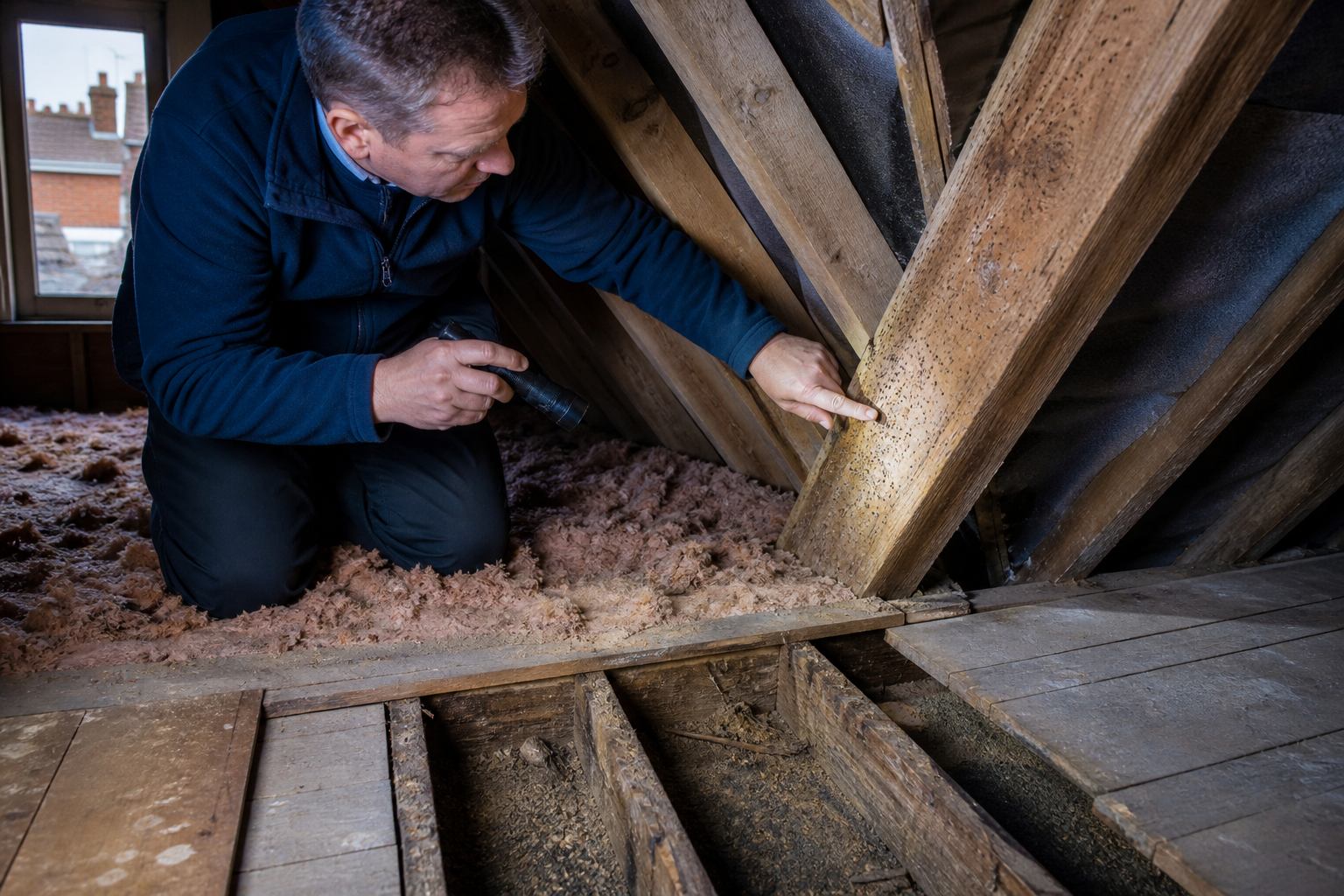
Black mould is one of the most commonly misdiagnosed property problems. We regularly speak to people who have already tried anti-mould paint, repeated cleaning or general handyman fixes, only to find the staining returns. A survey helps establish whether you are dealing with condensation alone or something more serious.
Based in Blaydon-on-Tyne, Northeast Damp Control supports customers across the wider North East, including Newcastle upon Tyne, Gateshead and surrounding areas. Our service is built around clear advice and practical solutions.
Over 25 years' experience.
More than 3000 customers helped.
98% satisfaction rate.
Fully trained surveyors who identify the root cause of damp issues.
Detailed written reports after a free damp survey.
Clear quotations with honest advice and no hidden costs.
Treatments backed by solid guarantees where work is recommended.
We also work with landlords, letting agents and property managers who need a dependable way to assess recurring mould complaints and document what action is actually needed.
What you can do now if black mould is already showing
While a survey is the best way to confirm the cause, a few sensible steps can help limit further moisture build-up in the meantime:
Wipe down heavy window condensation rather than leaving it to sit on frames and reveals.
Use extractor fans consistently when cooking or showering.
Avoid drying large amounts of washing indoors without ventilation.
Keep some space between large furniture and cold external walls.
Do not assume fresh paint means the problem has been solved.
If the mould keeps returning, spreads across multiple rooms or is linked to damaged plaster, staining or low-level damp, it is time to book a professional assessment.
Frequently asked questions
Is black mould around windows always caused by condensation?
No. Condensation is a very common cause, especially around windows, in corners and on cold external walls, but mould can also appear where there is penetrating damp or another moisture defect. The pattern of staining and the wider condition of the property need to be assessed properly.
Will black mould come back after cleaning?
It often will if the underlying moisture problem is still there. Cleaning removes visible growth, but it does not stop condensation forming on cold surfaces. That is why the focus should be on moisture control as well as surface treatment.
Do I need damp proofing or condensation control?
That depends on the source of the moisture. If the issue is everyday water vapour settling on cold surfaces, condensation control may be the right solution. If the survey identifies rising damp, penetrating damp or another defect, a different treatment plan may be needed. A professional survey prevents guesswork.
How long does mould or damp treatment take?
It depends on the extent of the problem and the work required, but many treatments are completed in 1 to 3 days. The most accurate answer comes after inspection, when the cause and scope of work are clear.
Do you provide a report after the survey?
Yes. After a free damp survey, we provide a detailed written report outlining the issue, recommended treatments and a clear quote, so you know exactly what has been found and what the next step should be.
Arrange a damp and condensation assessment
If black mould is returning around your windows or spreading across your walls, the answer is not to keep treating the surface and hope for the best. The right solution starts with understanding the source of the moisture.
Arrange a damp and condensation assessment with Northeast Damp Control to find out why black mould is returning and what treatment is actually needed. Visit our website to book your damp survey and get clear, professional advice from a local specialist.
Comments